

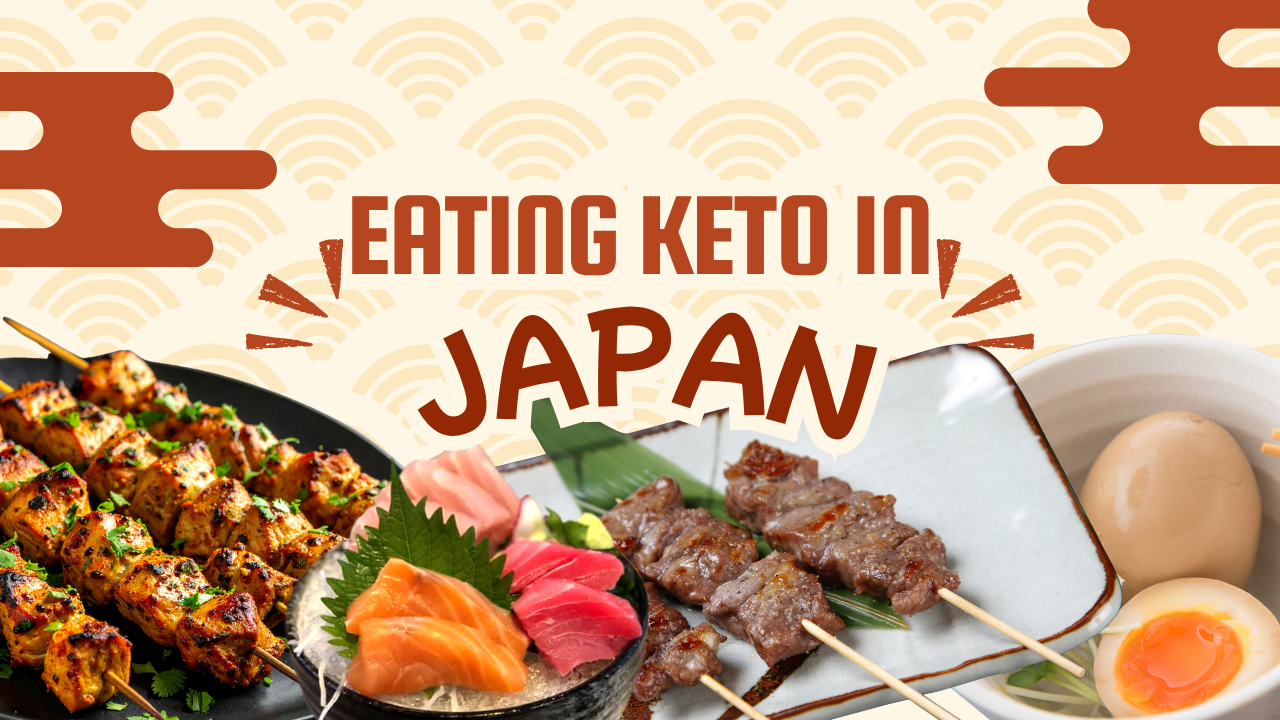
Eating keto in Japan was possible, but it was more complicated than I expected. Finding meat, eggs and other low-carb foods was rarely the problem. The real challenge was identifying small amounts of sugar hidden in sauces, marinades, prepared foods and dishes that appeared keto-friendly.
During our trip through Osaka, Hokkaido and Tokyo, I managed to maintain a mostly low-carb diet. Japanese convenience stores gave me reliable emergency options, while yakiniku and yakitori restaurants made it relatively easy to order grilled meat.
However, “not very sweet” did not always mean “no sugar.” I had to read labels, ask questions and accept that I would not have perfect information at every meal.
This article is based on my personal travel experience. It is not medical advice, and anyone who must avoid an ingredient for diabetes, allergies or another medical condition should confirm preparation methods directly with the restaurant.
Is Eating Keto in Japan Possible?
Yes. Japan has no shortage of meat, seafood, eggs, tofu and fresh vegetables. The difficulty is that many of those foods are served with rice, noodles, breading or sauces containing sugar.
Japanese food has a reputation for being healthy, but healthy and keto are not the same thing. A meal can include reasonable portions, fresh ingredients and relatively little processed food while still containing enough rice, sweet sauce or starch to make it unsuitable for a strict ketogenic diet.
I was able to remain mostly low carb by focusing on simple grilled meat and packaged foods with readable nutrition labels. I avoided trying to recreate my exact diet from home and concentrated on making the best available choice at each meal.
Low-Carb Foods at Japanese Convenience Stores
Convenience stores became one of my most reliable sources of low-carb food. Stores such as 7-Eleven, Lawson and FamilyMart were easy to find, stayed open late and sold individual portions that made it possible to build a simple meal.
Salad Chicken
Packaged “salad chicken” was probably the easiest option. This is a prepared chicken breast sold cold in the refrigerated section.
Plain and lightly seasoned versions were usually the safest choices. Some flavored varieties contained additional carbohydrates, so I still checked the label rather than assuming every package was identical.
Salad chicken was convenient, filling and easy to carry, although I eventually became tired of eating so much chicken.
Shio Chicken Skewers
I also looked for chicken skewers seasoned with shio, the Japanese word for salt.
Salt-seasoned skewers were generally a better low-carb choice than skewers coated with tare, the glossy sauce commonly used on yakitori. Tare often contains ingredients such as sugar, mirin and soy sauce.
However, “shio” does not guarantee zero carbohydrates in every prepared product. Packaged seasoning blends and marinades can still contain sugar or starch, so checking the label remains important.
Boiled Eggs and Other Simple Proteins
Plain boiled eggs and simply prepared meat could also work well. The key word is plain.
Prepared egg dishes were less predictable. For example, tamagoyaki is a rolled Japanese omelet that is commonly seasoned with sugar and soy sauce. The eggs themselves are low carb, but the finished dish may not be.
This was one of the recurring challenges: a food could look like an obvious protein choice while containing ingredients I would not have expected.
Lotte ZERO Chocolate
Lotte ZERO Chocolate became one of the few packaged sweets I regularly purchased.
It is labeled as containing zero sugar and zero sugars. However, that does not mean it contains zero carbohydrates.
According to Lotte’s official nutrition information, one 10-gram bar contains:
- 5 grams of total carbohydrate
- 4 grams of tōshitsu, or available carbohydrate
- 1 gram of dietary fiber
- 0 grams of sugars
The chocolate uses sugar alcohols and other sweeteners. Whether it fits your personal keto limits depends on your approach, portion size and response to those ingredients.
The larger lesson is that a product labeled “zero sugar” should not automatically be treated as zero carb.
Low-Carb Options at Yakiniku and Yakitori Restaurants
Yakiniku and yakitori restaurants provided some of my best restaurant options while eating keto in Japan.
Yakiniku
Yakiniku is a tabletop grilling experience in which diners cook individual pieces of meat themselves. It allowed me to concentrate on beef, pork and other proteins while skipping the rice.
The simplest cuts of meat were usually easier to evaluate than heavily marinated selections. Dipping sauces could contain sugar, so I used them cautiously or avoided them.
Yakiniku also worked well when traveling with family members who were not following my diet. Everyone could choose their own meat, sides and sauces without requiring the entire group to eat low carb.
Yakitori
Yakitori restaurants specialize in grilled skewers, commonly made with different cuts of chicken.
When possible, I ordered skewers with salt instead of tare:
Shio: Salt seasoning
Tare: A sweet and savory sauce that may contain sugar or mirin
Yakitori was one of the easiest ways to order several small portions of protein without receiving a large plate centered around rice or noodles.
As always, preparation varies by restaurant. Ordering shio reduced the likelihood of a sweet glaze, but it did not create an absolute guarantee that no sugar had been used.
Hidden Sugar Was the Hardest Part
The main obstacle was not resisting obvious desserts. It was identifying sugar in foods that did not look or taste particularly sweet.
Sugar can appear in:
- Yakitori tare
- Yakiniku dipping sauces
- Teriyaki-style marinades
- Tamagoyaki and other prepared egg dishes
- Salad dressings
- Pickled vegetables
- Prepared meats
- Soups and simmered dishes
Japanese cooking often balances salty, savory and sweet flavors. A small amount of sugar may be considered normal seasoning rather than something that makes a dish a “sweet food.”
That difference made communication difficult. When I asked whether a dish contained sugar, the answer was not always as clear as I hoped. A staff member might understand that I did not want a sweet dessert but not realize that I was asking about a small amount of sugar in a marinade.
This was not anyone being unhelpful. We were approaching the question from different perspectives.
Understanding Japanese Food Labels
Packaged products were sometimes easier than restaurant meals because I could examine the nutrition panel.
Three Japanese terms were particularly useful:
- 炭水化物 — Tansuikabutsu: Total carbohydrate
- 糖質 — Tōshitsu: Available carbohydrate excluding dietary fiber
- 糖類 — Tōrui: Sugars, a narrower category within carbohydrates
This distinction matters. A package may display 糖類ゼロ, meaning zero sugars, while still containing 糖質, or other carbohydrates.
I learned to look beyond the large “ZERO” wording on the front and check the complete nutrition panel on the back.
Translation apps helped, especially when using the camera function to translate ingredient lists. They were not perfect, but they were better than making a decision based entirely on packaging images.
Is It Rude to Leave Rice in Japan?
Before the trip, I found a great deal of online advice claiming that Japanese chefs would be offended if a visitor failed to finish everything on the plate, particularly the rice.
That was not my experience.
I sometimes received rice automatically as part of a set meal. When I politely explained that I avoided it for health reasons, nobody appeared angry or insulted.
Japan values politeness and avoiding unnecessary waste, but restaurant etiquette is not a rigid system in which every unfinished grain of rice creates a cultural incident. The Japan National Tourism Organization currently describes dining etiquette as relatively simple and advises visitors to follow the atmosphere of the restaurant.
The better approach is to request no rice when ordering, if possible. That avoids waste and removes the need to leave it untouched later.
A polite health-related explanation was generally understood. I would not recommend making dramatic demands or asking a chef to redesign a complicated dish, but requesting no rice was not a problem during my trip.
Useful Japanese Phrases for Low-Carb Travelers
These phrases can make ordering easier:
ご飯なしでお願いします。
Gohan nashi de onegaishimasu.
No rice, please.
たれではなく、塩でお願いします。
Tare dewa naku, shio de onegaishimasu.
Salt instead of sauce, please.
砂糖は入っていますか?
Satō wa haitte imasu ka?
Does this contain sugar?
健康上の理由で糖質を控えています。
Kenkōjō no riyū de tōshitsu o hikaete imasu.
I limit carbohydrates for health reasons.
It may help to save these phrases as a screenshot. Showing written Japanese can be easier than trying to pronounce everything in a loud restaurant.
My Overall Experience Eating Low Carb in Japan
Eating keto in Japan was manageable, but it required more attention than I expected.
The country offered plenty of protein-based foods. Convenience stores, yakiniku restaurants and yakitori restaurants kept me from feeling as though I had no options.
The challenge was the small amount of sugar commonly added to sauces, marinades and prepared foods. Learning the difference between sugar-free and carbohydrate-free labeling was also important.
I did not find that restaurant staff became offended when I skipped rice or left it untouched. A polite explanation that I was limiting carbohydrates for health reasons was generally enough.
I would follow the same basic approach during another trip: rely on simple proteins, request salt instead of sweet sauce, read packaged-food labels carefully and accept that maintaining a perfect carb count may not always be possible.
Japan was not effortless for a keto traveler, but it was absolutely possible to make it work.